Vital Aspects for Building an Effective Professional Sound Delivery Infrastructure
Wiki Article
Designing an impactful professional audio delivery system is vital for any business that relies on sound to enhance the client experience. This system enables organizations to deliver music, announcements, and other audio content to various areas within a facility. Key components in developing a high-performing audio distribution system include an awareness of sound quality, appropriate equipment selection, strategic layout planning, and consistent maintenance practices. These aspects work together to maintain that the audio system supports the unique needs of the space and the audience.
Sound quality is one of the most critical components of an audio network system. Clear sound enhances the listening experience for customers and can create a welcoming atmosphere. Considerations such as audio drivers, amplification systems, and sound behavior all affect in delivering balanced and even sound. Companies should prioritize purchasing commercial-quality speakers that are appropriate for their venue. For example, exterior areas might benefit from all-weather speakers, while rooms may be enhanced by distributed audio systems. Confirming that all devices are suitable and properly integrated is essential for maximum performance.
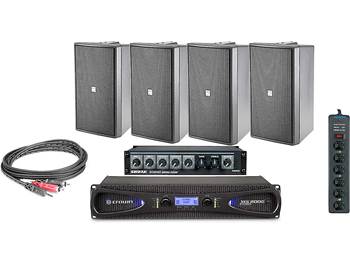
The selection of audio equipment plays a significant impact in the efficiency of the distribution. This entails selecting the right control panels, sound enhancers, and audio players. Businesses should analyze their individual audio needs before proceeding with purchases. For instance, a mall outlet might require different tools than a restaurant or business center. Additionally, incorporating advanced systems can improve usability. Sound networks that offer virtual operation or compatibility with smartphones can allow versatility in coordinating audio content and audio balance throughout different sections.
Organizing the configuration of the audio broadcast system is another key component. A intentionally developed plan provides that sound is uniformly transmitted across all locations without any drop-offs or sound imbalance in certain zones. This includes thoughtful find here placement of speakers and evaluation of how sound moves in each area. Considerations such as area, shape, and decor can alter acoustics. Performing an audio evaluation can support find the ideal placements for speakers to maintain consistent sound coverage throughout the premises.
Lastly, periodic maintenance is essential to maintain an audio sound system working smoothly. System upkeep involves scheduled evaluations on hardware reliability, repairing any issues promptly, and refreshing firmware when needed. Guiding personnel on how to operate the system properly can also reduce frequent issues and increase the durability of the devices. By committing to system checks, organizations can guarantee stable audio performance and reduce downtime that could affect the guest experience.
In summary, building an well-functioning enterprise audio communication system calls for comprehensive assessment of listening experience, component sourcing, spatial arrangement, and system support. When these aspects are implemented professionally, organizations can elevate their environment with superior audio systems for their visitors. Installing a professionally planned important source audio system not only strengthens sound management but also contributes to a positive setting that can elevate guest engagement.